ARTICLES

When Work Becomes Identity
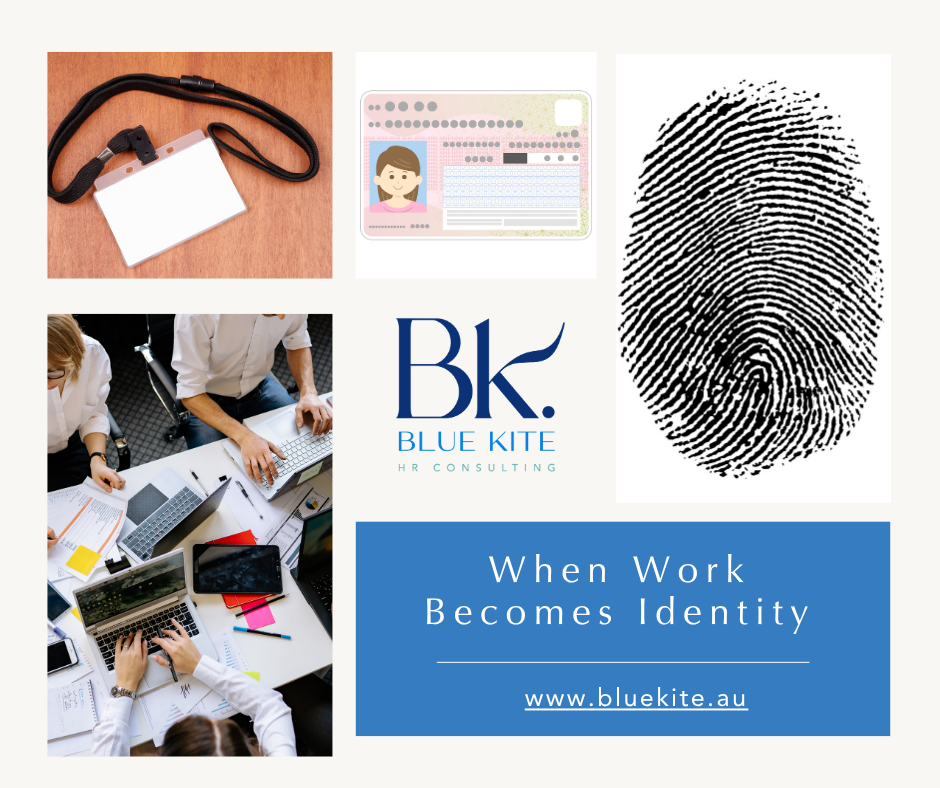
There is a particular risk in organisations that are genuinely engaging places to work: the risk that people begin to define themselves entirely through their professional identity. When work is meaningful, when the culture is strong and when contribution is recognised, the line between who someone is and what they do can become blurred in ways that are eventually costly.
The individual who is completely fused with their work identity has no buffer when things go wrong professionally. A difficult feedback conversation lands not as information about their performance but as an assessment of their worth. A redundancy is not a role ending — it is an existential event. Transitions, role changes and career plateaus are experienced with a disproportionate intensity that makes them much harder to navigate.
This matters for businesses because highly work-identified employees can present as highly engaged while being psychologically fragile — vulnerable to burnout, resistant to honest feedback and likely to struggle significantly with role transitions.
The more interesting dimension is what businesses inadvertently do to encourage this fusion. Language like “we’re all in this together” and “this is more than a job.” Cultures that reward total availability. Leaders who model work as the primary source of meaning in their own lives.
Supporting employees in maintaining a healthy relationship with their professional identity — one that includes genuine investment without total fusion — is not a wellbeing initiative. It is what makes people genuinely resilient. And resilient people are, in the long run, far more valuable to an organisation than those whose entire sense of self lives in the role.
If you want practical support reviewing your workplace policies, contracts, leadership capability, or workplace culture, Blue Kite HR Consulting can help you take a proactive approach before issues become bigger problems.
Blue Kite specialises in providing
HR services to support businesses
to create better workplaces.