
ARTICLES

The Hidden Cost of Meetings: How Meeting Culture Affects Productivity
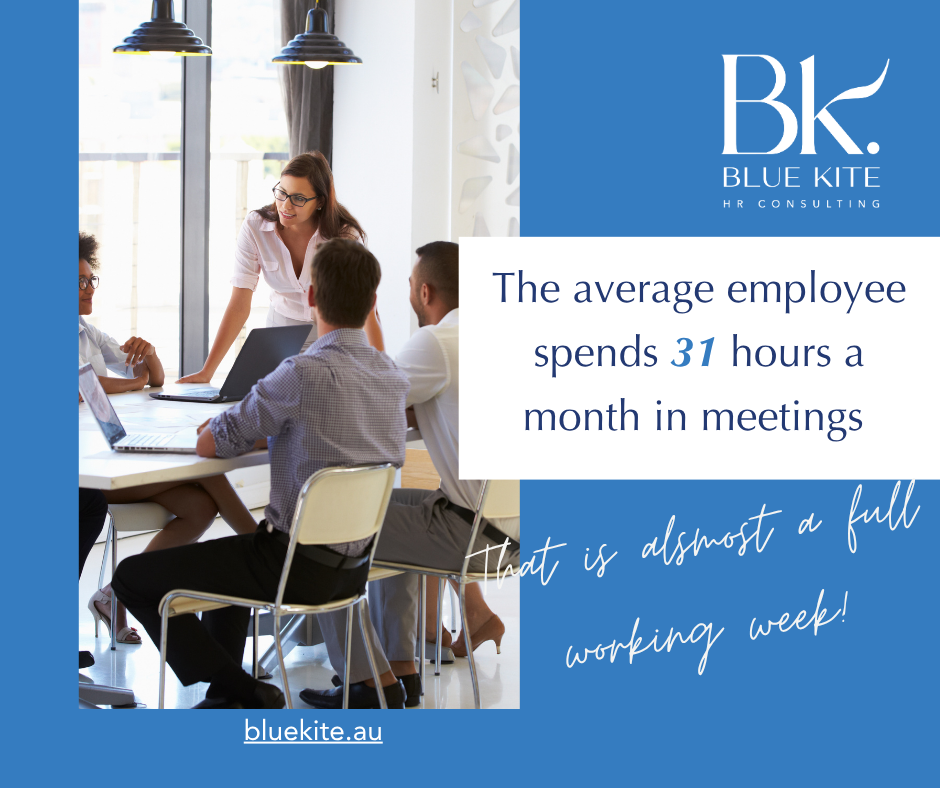
A management consultant did a quick calculation for a professional services firm she was working with. Their team of fifteen people held eleven recurring weekly meetings, each averaging an hour. That was 165 hours of meeting time per week — the equivalent of more than four full-time employees doing nothing but attending meetings.
The firm then asked whether those eleven meetings were producing enough value to justify that cost. The answer was honest and uncomfortable.
Meetings are the most expensive thing most businesses do and the least critically examined. Unlike other cost lines — software, office space, marketing — meeting time doesn’t appear on a P&L. The cost is distributed invisibly across payroll, sitting inside every hour that a capable person spends in a room being talked at rather than doing the work they were hired to do.
What the research shows
A Microsoft study of meeting habits found that the average professional spends about a third of their working week in meetings or recovering from them. Research by Steven Rogelberg at the University of North Carolina found that most employees consider around half their meetings unproductive — and that the primary driver of meeting dissatisfaction isn’t length or frequency but lack of clear purpose and outcomes.
In knowledge work, the problem is compounded by the cognitive cost of interruption. Research on deep work suggests that complex creative and analytical work requires extended periods of uninterrupted focus. Every meeting that breaks into that focus doesn’t just cost the meeting time; it costs the recovery time on either side, which can be forty minutes or more per interruption.
Where meeting culture goes wrong
The default in most businesses is to add meetings as a response to problems: coordination failures get fixed with a new weekly sync. Project delays produce a project check-in. Unclear decisions generate a discussion forum. Nobody audits what already exists for continued relevance or replaces it with a more efficient mechanism.
The result is calendar creep — a progressive filling of the working week with scheduled obligations that leaves diminishing windows for actual work. High performers, who could most benefit from protected focus time, often end up in the most meetings because they’re in demand.
The second problem is meeting quality. Meetings that lack a clear agenda, don’t reach a decision or clear next step, include people who didn’t need to be there, and run longer than the work requires produce resentment alongside poor outcomes.
Practical changes that work
The most effective businesses treat meeting time as a scarce resource and manage it accordingly. An annual or quarterly “meeting audit” — reviewing every recurring meeting for its purpose, outcomes, and whether it’s still warranted — typically eliminates 20–30% of standing meetings with no negative consequences.
Introduce meeting norms: required agendas sent before, a defined decision or outcome at the end, and an explicit guest list that includes only those whose presence is genuinely required. “For your information” items belong in a written update, not a meeting.
Protect focus time. Blocking periods in team members’ calendars where meetings cannot be scheduled is a legitimate management intervention that produces measurable productivity improvement.
Not every interaction requires a meeting. A well-written message or document often does the work more efficiently and leaves a record. Culture that defaults to calls and meetings over asynchronous communication pays a real price in productivity.
Ready to build a better workplace? Book your free 30-minute consultation at Blue Kite HR Consulting

Blue Kite specialises in providing
HR services to support businesses
to create better workplaces.