
ARTICLES

The Difference Between Being Liked and Being Respected
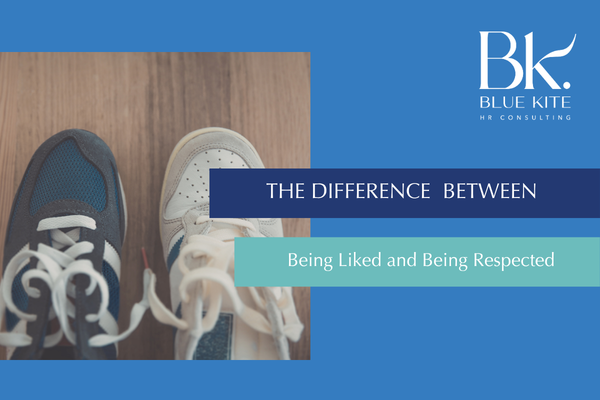
One of the most common and costly confusions in leadership is between the desire to be liked and the need to be respected. They are not the same thing, and optimising for the wrong one has predictable consequences.
Leaders who prioritise being liked make decisions shaped by the desire to avoid disapproval.
They soften feedback until it loses its meaning.
They avoid addressing performance issues because the conversation might create discomfort.
They agree when they should push back, and they stay quiet when they should name something difficult.
Their teams appreciate the easy atmosphere — until a problem appears that the leader is not equipped to handle, and the absence of honest relationship capital becomes apparent.
Respected leaders are not unkind or aloof. In many cases they are deeply liked. But the respect comes first — from being honest, from following through, from being willing to have the conversations that matter even when they are difficult. People may not always enjoy interacting with a leader who holds them to a genuine standard, but they trust them. And trust, in a leadership relationship, is far more valuable than comfort.
The shift from prioritising likability to earning respect requires a particular kind of courage — the willingness to accept temporary discomfort in service of genuine relationship. It requires a leader to hold two things simultaneously: care for the person and honesty about the situation.
That combination is what genuine leadership looks like. It cannot be faked, and it cannot be shortcut.
If you want practical support with leadership development or workplace culture, Blue Kite HR Consulting can help you take a proactive approach before issues become bigger problems.

Blue Kite specialises in providing
HR services to support businesses
to create better workplaces.