ARTICLES

The Path to CPC: A World of Hotel Management, Hospitality and HR
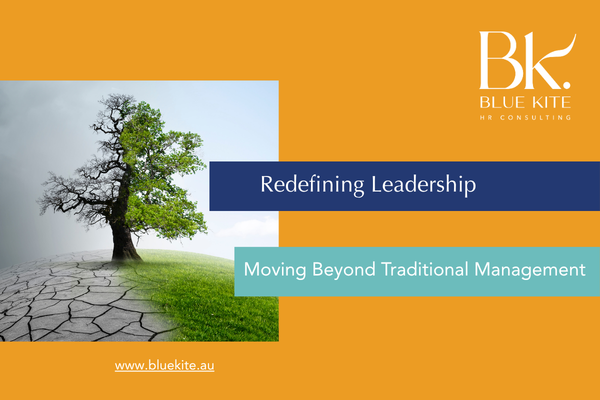
Many leadership models still rely on outdated assumptions: that leaders should direct, control, monitor closely and have most of the answers.
But modern workplaces are changing too quickly for traditional management alone to be effective.
What businesses need now is a different kind of leadership—one built on trust, clarity, adaptability and influence.
Today’s employees are not simply looking for instruction. They want direction, context, meaningful feedback and leaders who can create the conditions for good work to happen. That requires far more than technical expertise or positional authority. It requires emotional intelligence, sound judgment and the ability to bring people with you.
Redefining leadership does not mean lowering standards or removing accountability. In fact, it often means the opposite. Strong modern leaders are clear in their expectations, but they do not rely on control as their primary tool. They empower people, encourage ownership and create an environment where issues can be discussed early and honestly.
This is especially important in workplaces navigating hybrid work, rapid change, shifting employee expectations and increasing complexity. Leaders who default to old management habits—micromanagement, poor communication, reactive decision-making—can quickly erode trust and capability in their teams.
The most effective leaders today are not simply managers of tasks. They are shapers of culture, facilitators of performance and enablers of growth.
For businesses serious about the future, leadership development must move beyond traditional management training. The goal is no longer just to produce competent managers. It is to develop intentional leaders who can build trust, strengthen culture and lead people well in a very different world of work.
Get on the waitlist for my Blue Kite HR Advisory Portal, here.
Blue Kite specialises in providing
HR services to support businesses
to create better workplaces.