ARTICLES

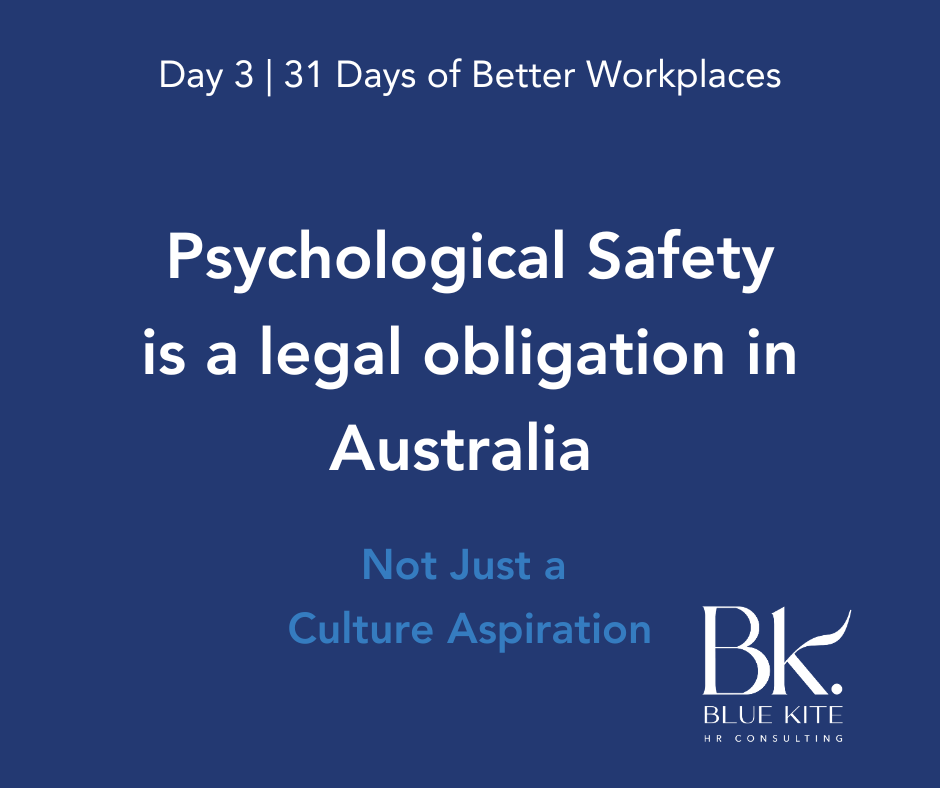
Psychological safety isn’t a corporate buzzword. It’s the difference between a team that flags problems early and one that lets them blow up.
The term was coined by Harvard researcher Amy Edmondson and has since been backed by extensive research — including Google’s famous Project Aristotle, which found it was the number one predictor of high-performing teams. In simple terms, psychological safety is when people feel they can speak up, ask questions, admit mistakes, and raise concerns without fear of being punished or embarrassed.
Why it matters for your business
If your team doesn’t feel safe raising issues, those issues don’t disappear. They go underground. Compliance risks, customer complaints, quality problems, and team tensions all fester when people don’t feel they can speak up. By the time they surface, they’ve usually grown.
Signs your workplace may lack psychological safety
- Meetings are quiet — people agree with the boss and say nothing
- Errors get hidden rather than reported
- Feedback only flows downward
- High performers leave without giving real reasons
What can you do right now
- Model vulnerability yourself — acknowledge when you don’t have the answer
- Respond to bad news with curiosity, not blame
- Actively invite dissenting views in meetings
- Follow up when someone does speak up, so they know it mattered
Building psychological safety isn’t a program or a policy. It’s a pattern of small, consistent behaviours from leaders. Start there.
Book a free 30-minute consultation at Blue Kite HR Consulting
Blue Kite specialises in providing
HR services to support businesses
to create better workplaces.