ARTICLES

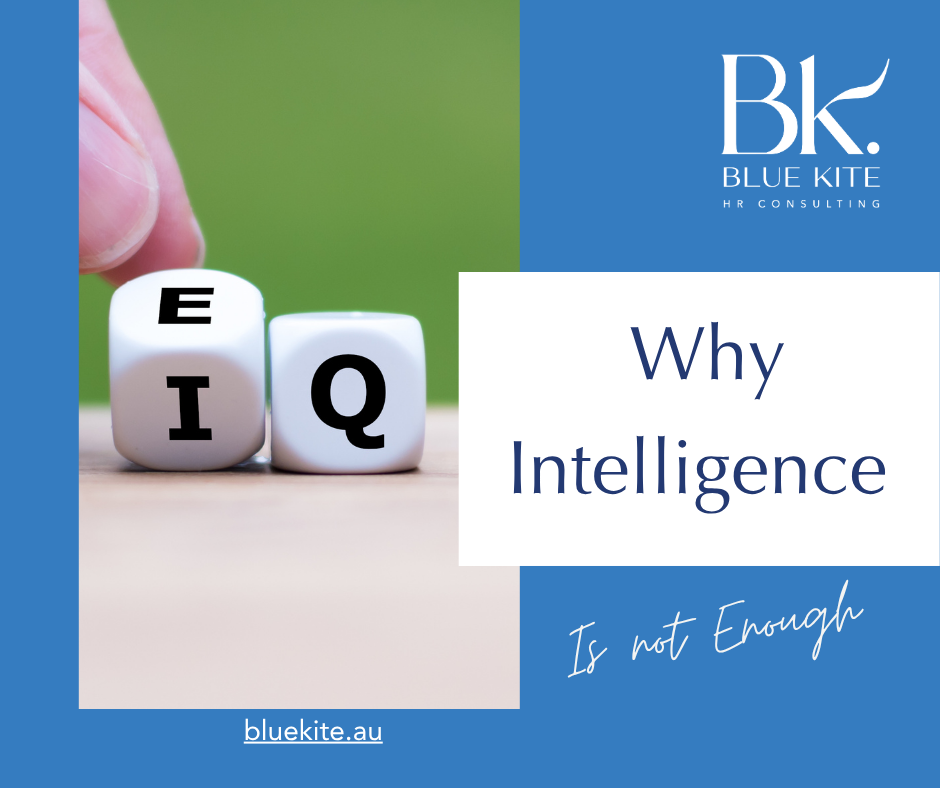
There is a persistent belief that the most intellectually capable people make the best leaders. It makes sense to a degree, intelligence correlates with problem-solving speed, ability to synthesise complexity and confidence in decision-making. But it is not the same as leadership effectiveness. And in some cases, high intelligence actively works against it.
Leaders who lead primarily from intellectual capability tend to arrive at conclusions faster than the people around them and can find the slower pace of collective thinking frustrating. They solve problems for their teams rather than with them, because it is quicker. They can struggle to receive challenge gracefully, because they are accustomed to being right. They may have difficulty translating their thinking into language that is accessible to people with different ways of processing.
None of this is inevitable. But it is common enough to be worth naming.
What research consistently identifies as predictive of leadership effectiveness is not IQ. It is the capacity for self-awareness, the ability to observe one’s own impact on others accurately.
It is adaptability, the ability to adjust behaviour in response to context. And it is what is sometimes called practical wisdom: the judgment developed through experience to know what a situation calls for, not just what the logic suggests.
These are learnable capabilities. They develop through honest feedback, genuine reflection and the willingness to prioritise understanding other people over impressing them. No degree or aptitude test measures them well. They show up, over time, in how a team performs.
If you want practical support reviewing your workplace policies, contracts, leadership capability, or workplace culture, Blue Kite HR Consulting can help you take a proactive approach before issues become bigger problems.
Blue Kite specialises in providing
HR services to support businesses
to create better workplaces.