ARTICLES

Ethical AI Hiring: The Bias Problem You Didn't Know You Were Buying
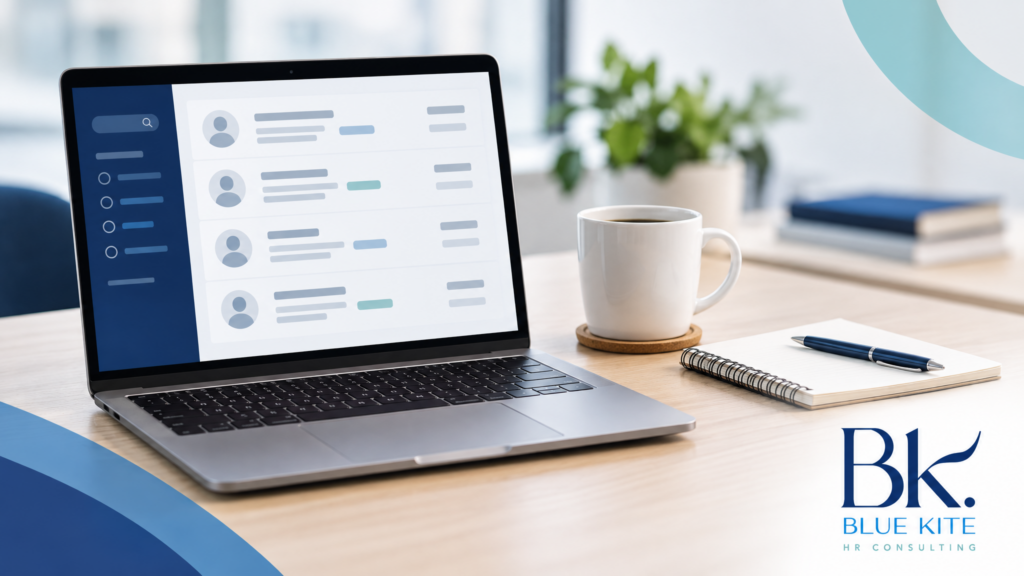
AI-powered recruitment tools promise speed, objectivity, and scale. Automated CV screening, AI interview analysis, predictive “culture fit” scoring — the technology is increasingly accessible, and the pitch is compelling: remove human bias from the hiring process.
There is a serious problem with this narrative. AI hiring tools do not remove bias. They systematise it.
Every AI model is trained on historical data. In recruitment, that means historical hiring decisions — which reflects the preferences, biases, and constraints of whoever made those decisions in the past. An AI that learns from a dataset where senior hires were overwhelmingly male, or where candidates from certain postcodes were consistently screened out, will replicate those patterns at scale and with an appearance of objectivity that makes them harder to challenge.
The legal risk is real
In Australia, using an AI tool that produces discriminatory hiring outcomes exposes the employer to liability under the Age Discrimination Act, the Sex Discrimination Act, the Racial Discrimination Act, and relevant state anti-discrimination legislation — regardless of whether the discrimination was intentional. “The algorithm did it” is not a defence.
The Australian Human Rights Commission has been clear that automated decision-making in hiring does not relieve employers of their discrimination obligations. If your tool produces disparate impact on a protected group, you own that outcome.
A 2023 study by the University of Melbourne found that a significant number of AI resume screening tools available to Australian businesses showed measurable gender and age-related bias in their outputs. Most vendors did not disclose how their models were trained.
Using AI hiring tools responsibly
Three requirements before deploying any AI in your hiring process:
1. Ask vendors directly how their model was trained –
what datasets were used, and what bias testing has been conducted. If they cannot answer clearly, walk away.
2. Audit the outcomes of your current tools.
If your AI screening consistently produces a candidate pool that is less diverse than your applicant pool, that is a signal requiring immediate investigation.
3. Keep humans in every significant decision point.
AI can rank and filter. Humans must evaluate and decide. Document that human judgment has been applied to every hire — not just the final stage.
AI can make good hiring faster. It can also make bad hiring faster. The difference is whether you are paying attention.
If Ready to get ahead of this? Book your free 30-minute consultation at Blue Kite HR Consulting
Blue Kite specialises in providing
HR services to support businesses
to create better workplaces.