
ARTICLES

The Cost of Poor Workplace Culture
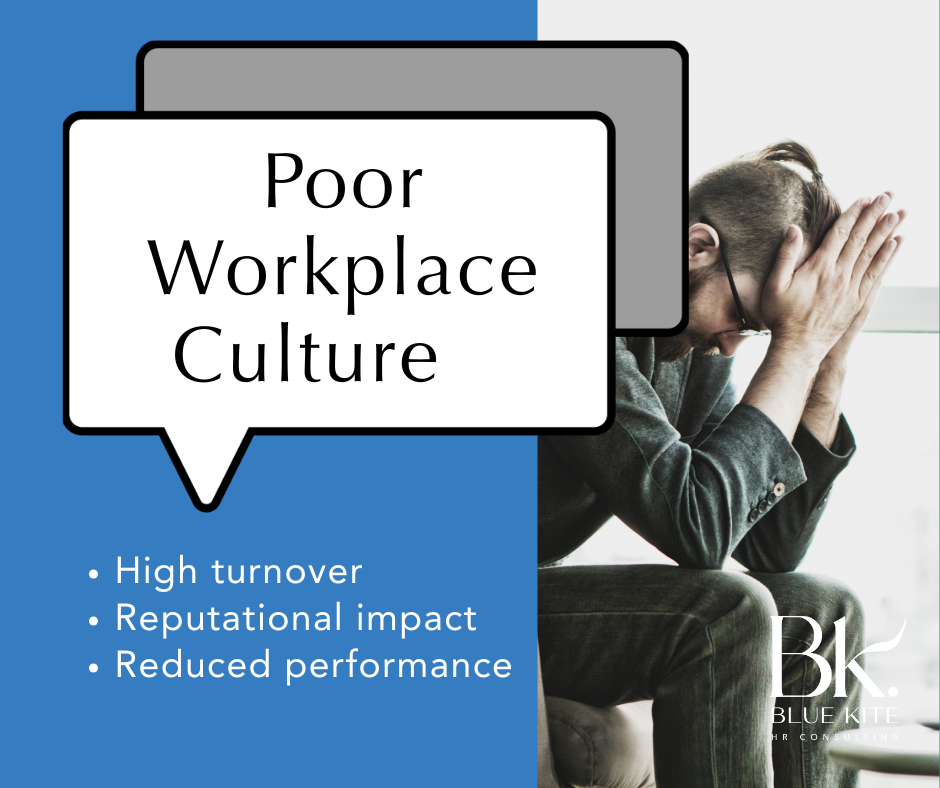
Workplace culture is sometimes viewed as an intangible concept—important, but difficult to measure. In reality, the impact of culture is often reflected in very tangible outcomes, including performance, retention and business reputation.
Poor workplace culture can create significant costs for a business. High turnover, disengagement, reduced productivity and increased conflict are common indicators. These issues not only affect day-to-day operations but can also lead to longer-term challenges in attracting and retaining talent.
One of the key challenges with culture is that its effects are often gradual. Small inconsistencies in behaviour, unclear expectations or ineffective leadership can accumulate over time, creating a work environment that becomes increasingly difficult to manage.
Leaders play a critical role in shaping culture. Their behaviour, decisions and communication set the tone for the business. When expectations are clear and consistently reinforced, it supports a more stable and positive environment.
Addressing culture requires more than surface-level initiatives. It involves examining underlying behaviours, leadership capability and organisational systems. This may include clarifying expectations, improving communication and addressing issues proactively.
Businesses that invest in culture are not simply focusing on employee experience. They are supporting performance, reducing risk and strengthening their ability to operate effectively.
Culture is not a secondary consideration. It is a fundamental part of how a business functions.
Get on the waitlist for my Blue Kite HR Advisory Portal, here

Blue Kite specialises in providing
HR services to support businesses
to create better workplaces.