ARTICLES

The HR Audit as a Strategic Business Tool—Not Just a Compliance Exercise
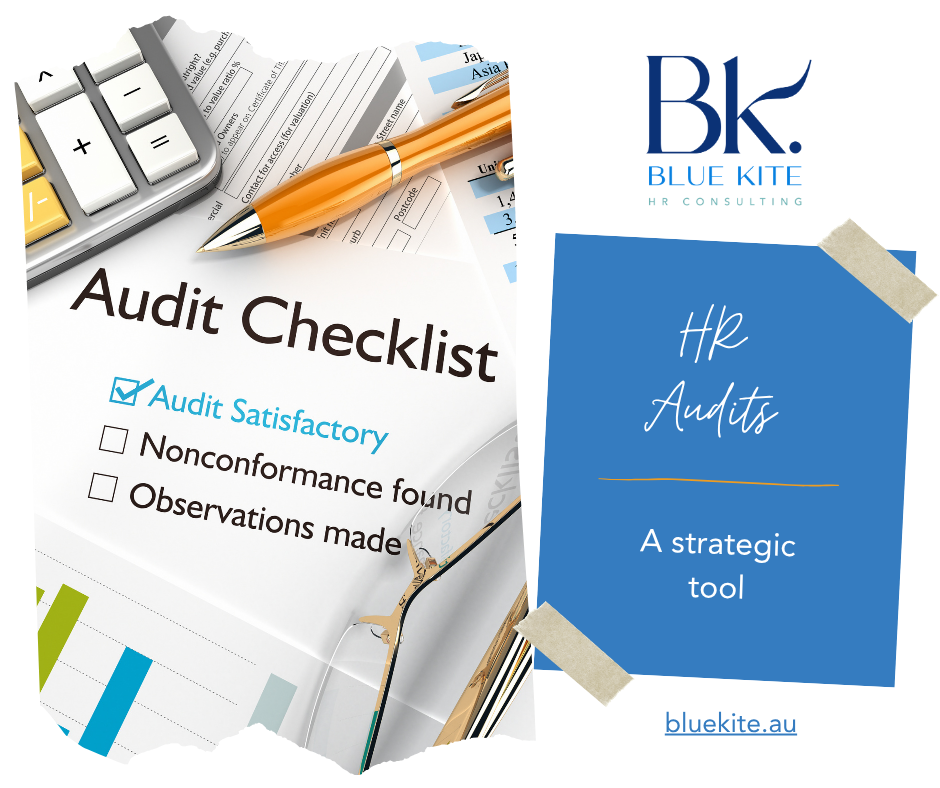
HR audits are often approached as compliance exercises—something to complete periodically to ensure policies, contracts and processes meet legal requirements. While compliance is important, this perspective significantly underutilises the value an HR audit can provide.
A well-executed HR audit can offer far more than risk identification. It can provide insight into how effectively people practices are supporting business objectives. It can highlight gaps in leadership capability, inconsistencies in processes and opportunities to improve performance, engagement and culture.
Rather than focusing solely on “what is missing,” a strategic HR audit considers “what is working” and “what could be improved.” It examines how recruitment, onboarding, performance management, leadership, communication and employee experience align with the organisation’s goals.
For example, are roles clearly defined? Are leaders equipped to manage their teams effectively? Are performance expectations understood and reinforced? Are there patterns in turnover or disengagement that point to underlying issues?
When approached in this way, an HR audit becomes a diagnostic tool for business performance, not just a compliance checklist.
Importantly, the value of an audit lies in what happens next. Insights must translate into action—clear priorities, practical changes and ongoing improvement.
Businesses that take a more strategic approach to HR audits are better positioned to strengthen their people practices, reduce risk and support sustainable growth.
Get on the waitlist for my Blue Kite HR Advisory Portal, here.
Blue Kite specialises in providing
HR services to support businesses
to create better workplaces.