
• Skip to primary navigation
  • Skip to main content

BlueKite HR

  • HOME
  • ABOUT US
  • HR SERVICES
  • COACH WITH ME
  • HEALTH & WELLBEING
  • MEDIA/PR
    • – Articles/Blogs
    • – Keynote Speaking Events
    • – Podcast Interviews
    • – Ticker Interviews
  • BLOG
  • RESOURCES
  • CONTACT

Leadership

21 May, 2020 by Bronwyn Coulthart Leave a Comment

Five tips for leading and managing virtual teams

ARTICLES

Five tips for leading and managing virtual teams

21 May, 2020
Filed Under: Leadership

Is it possible for employees to be just as efficient at home as they can be in an office?  

As Australians continue to face unprecedented challenges due to the Coronavirus (COVID-19) pandemic, it’s important that leaders implement effective communication, teamwork and collaboration to achieve the best results for their business and their staff.

Remote working comes with a variety of challenges, not only for a business but also for its staff and leaders. For many employees, these current circumstances may have presented them with a shift in the way they work, how they balance work with family now, which they may have never experienced before.

For leaders, virtual teams can present a risk of disconnection and a lack of collaboration which may have an impact on your team’s or individuals trust and employee engagement, if not implemented correctly.

Five tips for leading and managing virtual teams

How can leaders keep their virtual teams engaged during isolation? 

With careful planning and execution, as well as ongoing team communication, leaders can ensure they are continuing to inspire and lead their teams even when they’re not in the same room or physically seeing staff every day.

Here are five key tips leaders can follow to help their teams continue to perform effectively while working remotely:

— Set clear and tangible goals

When it comes to working remotely, there can be a certain amount of added distractions that employees might not necessarily be use to within the office. For others, it can be a perfect environment to be more productive by setting themselves a clear structure for how they are going to plan out their day and what they want to achieve during that time. By setting clear and tangible goals, this can help keep people on track and be clear on the work that you would like delivered by a certain time in the day or week.

— Boost transparency and communication across your business 

Communication and collaboration are amongst the biggest challenges’ businesses can face when it comes to remote working. For many people they are use to being able to resolve issues or ask questions from colleagues or managers face to face in an office environment. It’s important to develop an effective communication plan in which employees are encouraged to have regular conversations and share information openly. Offering tools to employees enables them to quickly and easily engage with others which will help to increase engagement and avoid disconnection or productivity.

— Build employee engagement 

When managing a remote team a hands-off approach isn’t going to be enough. It’s imperative to help manage your team’s workload and expectations by checking in with each employee and bringing together your team on a regular basis. With the amount of technology currently available using instant communication tools such as Zoom or FaceTime are great alternative to a phone call. You could start each morning with a team check-in each morning. A short, 15 minute meeting that allows everyone to share what they’re working on and what support they might need from leaders or other members of the team to deliver specific projects.

— Be consistent and supportive

To ensure productivity, leaders must manage remote employees effectively. Being consistent with your approach and supporting employees who may feel disconnected or even isolated during circumstances such as COVID-19 can have a huge impact. Just as people would do in an office, having an open communication policy and being accessible to help employees on a regular basis can see people thrive in environments that may be unnatural to them. Employees may be looking for answers or just need to talk with someone to help them through a difficult client or roadblock they’re having on a project. Your team will look to you for guidance and leadership more than they will look to you for management during these times.

— Model best practice 

To get the best out of your colleagues, identifying an effective virtual team leader who models the best behaviours and practices for your business can make a big impact during these times. For many, this can be very unfamiliar and present challenges they’ve never had to deal with in the office. Now more than ever, is the time to have a leadership team in place that people can turn to and feel supported as they embrace this new way of working. This will help to bring the best out people and make people feel comfortable with what could be the new way of working now and into the future.

What does the future of work look like?

Over the last few months, we have seen a significant change to the way we work and have had to overcome significant challenges. How businesses adapt and manage teams remotely varies considerably but embracing change and developing essential skills required to manage a virtual team is becoming even more important, especially if this could be the new way of working for a lot of businesses now and into the future. 
BACK TO ALL ARTICLES
Screenshot 2025-11-18 164639

+61 (0) 409 545 634

cpaterson@bluekite.au

FREE CONSULTATION

  • ABOUT
  • HR SERVICES
  • COACH WITH ME
  • HEALTH & WELLBEING
  • MEDIA/PR
  • ARTICLES/BLOG
  • RESOURCES
  • CONTACT
  • PRIVACY

Blue Kite specialises in providing
HR services to support businesses
to create better workplaces.

Filed Under: Leadership Tagged With: blog, bluekite, business planning, catie paterson consulting, consulting, hr, hr consulting, hr industry, human resources

23 April, 2020 by Bronwyn Coulthart Leave a Comment

Importance of workforce planning for your business

ARTICLES

Importance of workforce planning for your business

23 April, 2020
Filed Under: Leadership

We are currently seeing a rapid change to the Australian workforce and economy with ongoing environmental and social impacts seeing businesses having to change and adapt more quickly than ever before, technology advancements replacing human labour, increasing customer expectations, legislative and regulatory changes, demographic shifts and shortages of skilled and qualified workers. These immense changes raise many organisational and human resources challenges now and for the future.

People form the foundation of any business and its more important than ever before to have an agile, diverse workforce that can respond accordingly and still deliver on customer expectations.

How can you assess and develop your workforce now and for the future? 

Strategic workforce planning will help you put a system in place to proactively align the long-term goals of your business with your future workforce needs. It will ensure you have the right people, in the right roles and identify opportunities to further develop your team’s skills and behaviours or recruit if required to deliver core customer outcomes.

A strategic workforce plan will be slightly different depending on the type of business, industry and what is expected of the workforce to meet that business’s particular goals. The core requirements of a workforce plan remain the same; to assess and develop your people capabilities to be adaptive to change and meet the future needs of your business.

Importance of workplace planning and people management

Why is workforce planning so important? 

To be prepared for the future you need to assess and understand what might be required from your greatest asset – your people. Creating a workforce plan and putting it into action can positively impact your business in more ways than one.

Here’s why:

— Improves employee engagement – if your people see a plan for their future, they will be motivated to achieve success in their roles and will form a deeper commitment to the business.

— Provides an understanding of any skill gaps and builds a pipeline of what talent you may need to acquire to reach your future goals.

— Continuously reviewing your current and future business needs, will help you stay ahead of changes to your industry, technology, legislation and regulations and identify any compliance related issues.

— Allows a more diverse and gender balanced workforce which has seen to provide greater innovation.

— Making more efficient and informed decisions based on metrics and success measures a workforce plan provides.

A workforce plan is crucial in these times of uncertainty and rapid change. It takes time but is a valuable process that can be the difference between competing businesses and being able to adapt quickly to the changing environment.  

BACK TO ALL ARTICLES
Screenshot 2025-11-18 164639

+61 (0) 409 545 634

cpaterson@bluekite.au

FREE CONSULTATION

  • ABOUT
  • HR SERVICES
  • COACH WITH ME
  • HEALTH & WELLBEING
  • MEDIA/PR
  • ARTICLES/BLOG
  • RESOURCES
  • CONTACT
  • PRIVACY

Blue Kite specialises in providing
HR services to support businesses
to create better workplaces.

Filed Under: Leadership

26 March, 2020 by Bronwyn Coulthart Leave a Comment

Managing people through change

ARTICLES

Managing people through change

26 March, 2020
Filed Under: Career Planning, Change management, Culture, HR essentials, Leadership, Workforce

Organisational change continues to be difficult for many businesses as we adapt to sudden shifts in our industry, new business models that may be required and even external factors including pandemics such as COVID-19.

What is Change Management?

Change management is a structured approach that helps businesses be prepared, equipped and support individuals to adapt change that delivers a positive outcome for the business and its people.

A change could be a simple process within your business that needs adjusting or it could be a major change in policy or strategy that’s required to further leverage your business potential within your industry and even grow.

This structured approach focuses on the wider impact change may have for your people and how they, as individuals and even teams, transition from the current situation to a new one.

Change Management

How do we continue to adapt to change and make sure that we’re keeping our people informed?

With digital technologies and the changing nature of the workforce creating new opportunities and challenges for businesses each and every day we need to make sure that we are building a foundation that incorporates change in a positive way and continues to involve people at every level across the business.

As human beings we are generally averse to change especially if it may be misaligned to our own beliefs or actions or thrown upon us without any understanding of why this change may be required.

For any business to adapt to change it’s important that people understand why it’s happening and leaders don’t assume that this transformation is clear to the whole business. Clear communication is a fundamental avenue that leaders need to develop to help all employees understand where the company is headed, why it is changing, and why this change is important.

Change Management

What are some of the warning signs when it comes to change management?

— Are any of your employees on edge?

— Does your leadership team focus on adverse outcomes or problems?

— Are your employees unclear about expectations?

— Are your employees working on multiple projects but don’t know which ones are priorities?

— Is there a lack of planning that require urgent results?

— Do you not have an approved change plan?

— Has the change happened without any monitoring?

— Has the change been implemented with no change policy and procedures?


Who is responsible for change and how should it be incorporated into your business?

For change management to be successful it is the responsibility of the leadership team to engage, inspire and support employees to adopt the change and the individual employees’ responsibility to change their behaviour to start a new way of working.

Here are five key steps to consider when incorporating change into your business:

Success – Best chance of success when everyone with authority and influence is engaged.

Adapt – Always assess and adapt. Assess what is working and adjust next steps.

Execute – Leadership team should NEVER delegate execution.

Delivering change is running business 

Don’t rely on past work, assumptions 

Pre-work to determine legitimate case for change

All – More efficient to bring people along with you on the journey. Lead with process and make sure all of it is in place such as training, incentives, procedures and processes.

New – Define essential behaviours that are vital. Leadership team must visibly model new behaviours. Behaviours shift when procedures change and incentives are in place.  

BACK TO ALL ARTICLES
Screenshot 2025-11-18 164639

+61 (0) 409 545 634

cpaterson@bluekite.au

FREE CONSULTATION

  • ABOUT
  • HR SERVICES
  • COACH WITH ME
  • HEALTH & WELLBEING
  • MEDIA/PR
  • ARTICLES/BLOG
  • RESOURCES
  • CONTACT
  • PRIVACY

Blue Kite specialises in providing
HR services to support businesses
to create better workplaces.
Filed Under: Career Planning, Change management, Culture, HR essentials, Leadership, Workforce Tagged With: blog, bluekite, business planning, catie paterson, change management, consulting, hr, hr consulting, hr industry, hr support, hr tips, human resources, melbourne business, melbourne hr, melbourne hr consultant, succession management, tips

21 November, 2019 by Bronwyn Coulthart Leave a Comment

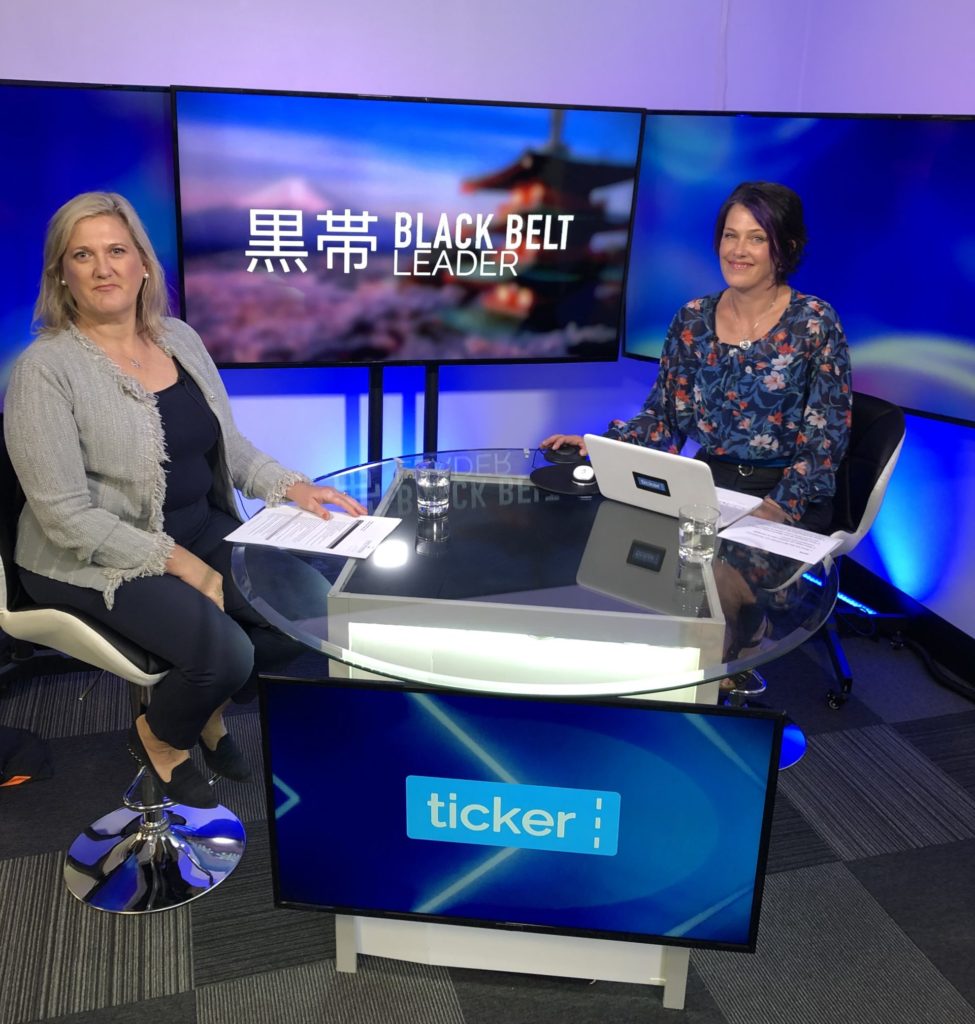
Media: Interview for Blackbelt Leadership on Ticker TV

ARTICLES

Media: Interview for Blackbelt Leadership on Ticker TV

21 November, 2019
Filed Under: Leadership, Media Appearances

I was recently invited onto Ticker TVs new show Blackbelt Leadership with Karen Gately, where I discussed the steps leaders can take to reengage a checked-out team.

I had such a wonderful time chatting to Karen and am very excited to share the segment with you.

Click the link below to watch.

https://www.tickertv.com.au/news/black-belt-leader-re-engaging-a-checked-out-team/

BACK TO ALL ARTICLES
Screenshot 2025-11-18 164639

+61 (0) 409 545 634

cpaterson@bluekite.au

FREE CONSULTATION

  • ABOUT
  • HR SERVICES
  • COACH WITH ME
  • HEALTH & WELLBEING
  • MEDIA/PR
  • ARTICLES/BLOG
  • RESOURCES
  • CONTACT
  • PRIVACY

Blue Kite specialises in providing
HR services to support businesses
to create better workplaces.

Filed Under: Leadership, Media Appearances Tagged With: blog, bluekite, catie paterson, catie paterson hr consulting, hr, hr consulting, human resources, leadership, media appearances, ticker tv, tv appearance

11 November, 2019 by Bronwyn Coulthart Leave a Comment

The Importance of Career Planning & Succession Management Within the Workplace: Part 1

ARTICLES

The Importance of Career Planning & Succession Management Within the Workplace: Part 1

11 November, 2019
Filed Under: Leadership

Driven by an increase in global competition and dramatic changes to workforce demographics, Succession Planning is more than just a plan. Coming of age over the past decade, a successful ‘succession’ goes hand in hand with career development and the weight it carries with both new and existing employees.

As 2020 fast approaches, establishing an effective succession management strategy alongside career development processes is more important than ever. The evolution of succession starts at the bottom; retaining, motivating and driving employees to consider how their role might extend deeper into the business, and giving them the tools to do so. With talent continuity essential to the evolution of succession planning, what better place to start than with your own team?

What is Succession Management, and why is it important?

Succession Management is, at its heart, a comprehensive and integrated recruitment strategy for positions of leadership. The world of work is changing, and no company can assume that essential talent will always be available. When it comes to the long-range view, finding value in the development and training of future leaders is equally as important as placing weight on technical skill.

Effective succession facilitates a positive impact on performance management, not only in terms of ensuring that key positions are filled with competent performers, but also in terms of saving money on external recruitment and training, which are often significantly more costly than promoting from within.

By encouraging the broader participation of existing employees, it shows your team that they have a future in your organisation; a path to get there, and a reason to stay. It’s vital for creating a culture of growth, which is both positive to the personal and professional development of your staff, as well as an important way to identify which employees have the necessary skills to either replace senior executives, or step into positions of leadership down the track.

Your employees know what’s in it for them; and it’s often the ambitious, talented team members who value the ability to take charge of their own careers that become your future leaders.

Where does HR come in?

In playing a vital role in the process of succession planning, HR leaders are on the front line when it comes to facilitating the smooth and successful transition of critical positions. While on the surface this process appears seamless, the challenges often lie within the integration of both long and short term goals, as well as choosing the right candidate with the best cultural fit.

With the concept of succession planning ever evolving, it’s become clear that an effective program needs to be dynamic and ongoing, multifaceted and further linked to greater collaborative initiatives. It’s a complex process that requires the right people to lead it, and deep investment into a long-term strategy.

In Part 2 of this topic I’ll share some deeper insights into understanding you team, their needs and how effective communication is paramount when implementing succession planning within you company.

BACK TO ALL ARTICLES
Screenshot 2025-11-18 164639

+61 (0) 409 545 634

cpaterson@bluekite.au

FREE CONSULTATION

  • ABOUT
  • HR SERVICES
  • COACH WITH ME
  • HEALTH & WELLBEING
  • MEDIA/PR
  • ARTICLES/BLOG
  • RESOURCES
  • CONTACT
  • PRIVACY

Blue Kite specialises in providing
HR services to support businesses
to create better workplaces.

Filed Under: Leadership Tagged With: blog, bluekite, business planning, catie paterson, catie paterson consulting, consulting, hr, hr consulting, hr industry, hr tips, hrsupport, human resources, melbourne business, melbourne hr, melbourne hr consultant, succession management, tips, top tips

10 October, 2019 by Bronwyn Coulthart Leave a Comment

When is the right time to bring in external HR support?

ARTICLES

When is the right time to bring in external HR support?

10 October, 2019
Filed Under: External HR Support, Leadership

If you’re running a growing small business and are finding yourself spending an increasing amount of time and energy on your staff instead of spending that time on your business then this is the list for you.

If any of the below apply, then bringing a HR consultant on board could be the right choice for the future of your business.

1. You’re out of time

After good staff, the most valuable resource to your business is likely time. You may need a HR consultant if you or your team are consistently short on the number of hours you can devote to day-to-day HR tasks – or if those tasks are fractured among different staff members. Leaving HR as an afterthought can often lead to costly non-compliance or legal issues and dissatisfied employees. A HR consultant also saves you the time that you’d spend training and on-boarding a new in-house HR manager. Plus, a professional’s existing expertise also means tasks are often completed faster.

2. Your business is rapidly growing or changing

During periods of high change in your business, you’ll have enough matters – aside from HR – that demand your attention. And when that change is particularly tumultuous, a specialist can help navigate the stickier side of running an organisation. Especially as they understand the ramifications of changes in pay or roles, down-sizing, restructuring, terminations, investigations, conflict resolution and any disciplinary matters that arise.

3. You just haven’t found “the one” yet

Culture fit is one of the most important factors that nurture a happy workplace. Whether you’re thinking of adding an HR manager to your team for the very first time, or you’re in between HR managers, you want to hire the perfect person. Temporarily partnering with a HR consultant as a stop-gap measure during this time is often more cost-effective in the long run than hurrying the recruitment process. It also ensures your eventual new hire will be seamlessly joining a well-run department. Not to mention, a HR consultant can also assist you in finding the right person to join your team.

4. You need the resources to meet your business growth goals

Do you have big plans to grow your business and need a top-level HR strategy to meet your objectives but don’t know where to start? HR Consultants are experts in providing the framework to ensure you have the right staff and systems to meet your strategic business objectives. On top of this, they can develop an employment strategy in line with your overall business plan to communicate the vision to existing staff, build and motivate your team, drive efficiencies, and inspire individuals to reach their full potential. HR Consultants can also customise strategies to develop the individual capabilities of staff, to enable you to achieve your business goals.

5. You simply don’t need a full-time HR manager

If your business is small to medium in size you may very well not require permanent HR staff. Yet as soon as you hire your very first employee, it’s important to start thinking about your future HR requirements. You probably have an intimate knowledge of what your business offers, who it’s for and what your hopes are for the future, but may not know the finer details of HR. Working with a HR consultant means you can add their wide-ranging expertise to your team, and save on the salary and recruitment costs you’d spend on HR staff. Good consultants are also highly adaptable and flexible; meaning you can hire them on a project-by-project basis or for longer or shorter time periods to suit your business needs.

Still not sure if a HR consultant can assist your particular situation? Get in touch for a chat about how Catie Paterson Consulting can help you.

BACK TO ALL ARTICLES
Screenshot 2025-11-18 164639

+61 (0) 409 545 634

cpaterson@bluekite.au

FREE CONSULTATION

  • ABOUT
  • HR SERVICES
  • COACH WITH ME
  • HEALTH & WELLBEING
  • MEDIA/PR
  • ARTICLES/BLOG
  • RESOURCES
  • CONTACT
  • PRIVACY

Blue Kite specialises in providing
HR services to support businesses
to create better workplaces.

Filed Under: External HR Support, Leadership Tagged With: blog, bluekite, catie paterson, catie paterson consulting, hr, hr consulting, hr industry, hr support, hr tips, human resources, melbourne business, melbourne hr, melbourne hr consultant, tips, top tips

  • « Go to Previous Page
  • Page 1
  • Interim pages omitted …
  • Page 27
  • Page 28
  • Page 29

Copyright © 2026 · Executive Pro on Genesis Framework · WordPress · Log in koopo

  • HOME
  • ABOUT US
  • HR SERVICES
  • COACH WITH ME
  • HEALTH & WELLBEING
  • MEDIA/PR
    • – Articles/Blogs
    • – Keynote Speaking Events
    • – Podcast Interviews
    • – Ticker Interviews
  • BLOG
  • RESOURCES
  • CONTACT