
• Skip to primary navigation
  • Skip to main content

BlueKite HR

  • HOME
  • ABOUT US
  • HR SERVICES
  • COACH WITH ME
  • HEALTH & WELLBEING
  • MEDIA/PR
    • – Articles/Blogs
    • – Keynote Speaking Events
    • – Podcast Interviews
    • – Ticker Interviews
  • BLOG
  • RESOURCES
  • CONTACT

Bronwyn Coulthart

26 March, 2020 by Bronwyn Coulthart Leave a Comment

Managing people through change

ARTICLES

Managing people through change

26 March, 2020
Filed Under: Career Planning, Change management, Culture, HR essentials, Leadership, Workforce

Organisational change continues to be difficult for many businesses as we adapt to sudden shifts in our industry, new business models that may be required and even external factors including pandemics such as COVID-19.

What is Change Management?

Change management is a structured approach that helps businesses be prepared, equipped and support individuals to adapt change that delivers a positive outcome for the business and its people.

A change could be a simple process within your business that needs adjusting or it could be a major change in policy or strategy that’s required to further leverage your business potential within your industry and even grow.

This structured approach focuses on the wider impact change may have for your people and how they, as individuals and even teams, transition from the current situation to a new one.

Change Management

How do we continue to adapt to change and make sure that we’re keeping our people informed?

With digital technologies and the changing nature of the workforce creating new opportunities and challenges for businesses each and every day we need to make sure that we are building a foundation that incorporates change in a positive way and continues to involve people at every level across the business.

As human beings we are generally averse to change especially if it may be misaligned to our own beliefs or actions or thrown upon us without any understanding of why this change may be required.

For any business to adapt to change it’s important that people understand why it’s happening and leaders don’t assume that this transformation is clear to the whole business. Clear communication is a fundamental avenue that leaders need to develop to help all employees understand where the company is headed, why it is changing, and why this change is important.

Change Management

What are some of the warning signs when it comes to change management?

— Are any of your employees on edge?

— Does your leadership team focus on adverse outcomes or problems?

— Are your employees unclear about expectations?

— Are your employees working on multiple projects but don’t know which ones are priorities?

— Is there a lack of planning that require urgent results?

— Do you not have an approved change plan?

— Has the change happened without any monitoring?

— Has the change been implemented with no change policy and procedures?


Who is responsible for change and how should it be incorporated into your business?

For change management to be successful it is the responsibility of the leadership team to engage, inspire and support employees to adopt the change and the individual employees’ responsibility to change their behaviour to start a new way of working.

Here are five key steps to consider when incorporating change into your business:

Success – Best chance of success when everyone with authority and influence is engaged.

Adapt – Always assess and adapt. Assess what is working and adjust next steps.

Execute – Leadership team should NEVER delegate execution.

Delivering change is running business 

Don’t rely on past work, assumptions 

Pre-work to determine legitimate case for change

All – More efficient to bring people along with you on the journey. Lead with process and make sure all of it is in place such as training, incentives, procedures and processes.

New – Define essential behaviours that are vital. Leadership team must visibly model new behaviours. Behaviours shift when procedures change and incentives are in place.  

BACK TO ALL ARTICLES
Screenshot 2025-11-18 164639

+61 (0) 409 545 634

cpaterson@bluekite.au

FREE CONSULTATION

  • ABOUT
  • HR SERVICES
  • COACH WITH ME
  • HEALTH & WELLBEING
  • MEDIA/PR
  • ARTICLES/BLOG
  • RESOURCES
  • CONTACT
  • PRIVACY

Blue Kite specialises in providing
HR services to support businesses
to create better workplaces.

Filed Under: Career Planning, Change management, Culture, HR essentials, Leadership, Workforce Tagged With: blog, bluekite, business planning, catie paterson, change management, consulting, hr, hr consulting, hr industry, hr support, hr tips, human resources, melbourne business, melbourne hr, melbourne hr consultant, succession management, tips

21 November, 2019 by Bronwyn Coulthart Leave a Comment

Media: Interview for Blackbelt Leadership on Ticker TV

ARTICLES

Media: Interview for Blackbelt Leadership on Ticker TV

21 November, 2019
Filed Under: Leadership, Media Appearances

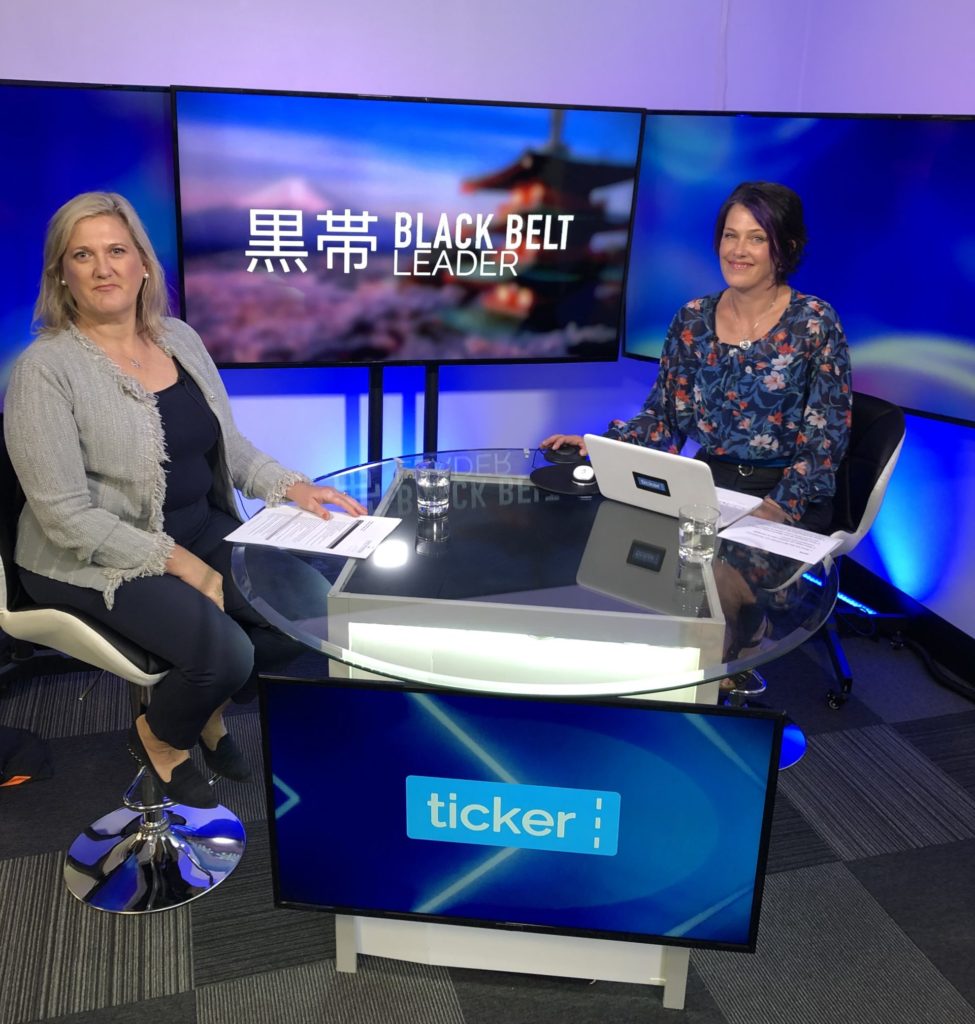
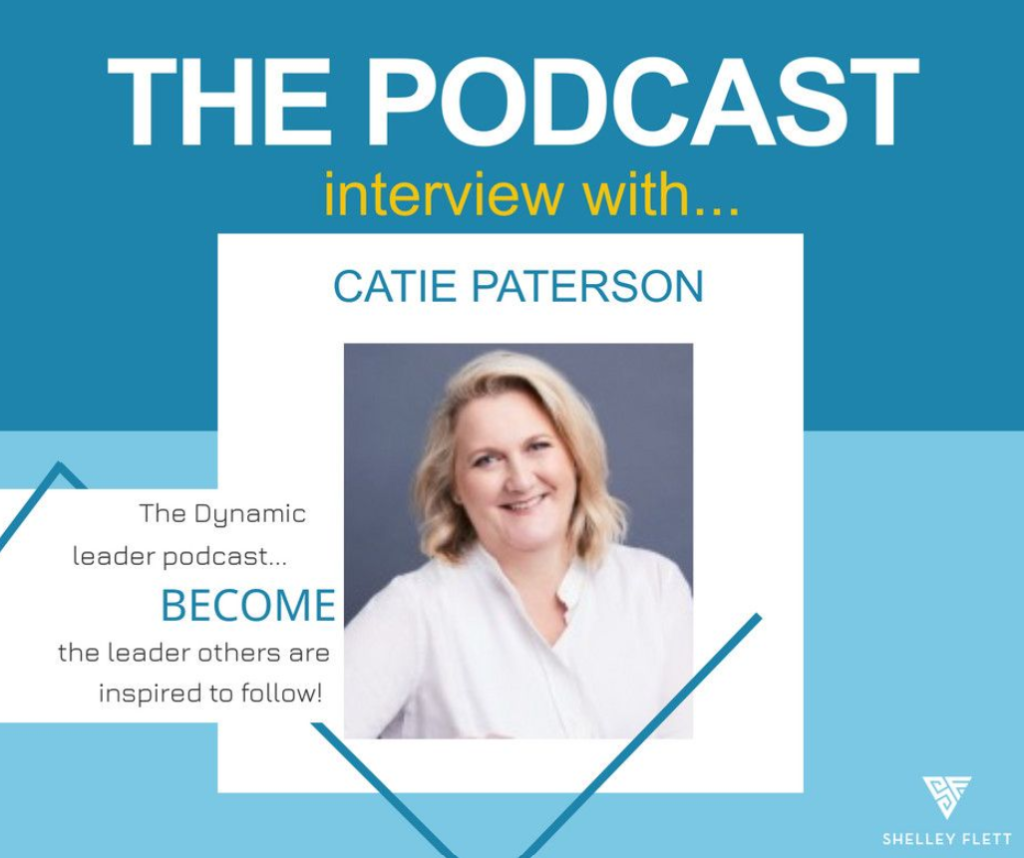
I was recently invited onto Ticker TVs new show Blackbelt Leadership with Karen Gately, where I discussed the steps leaders can take to reengage a checked-out team.

I had such a wonderful time chatting to Karen and am very excited to share the segment with you.

Click the link below to watch.

https://www.tickertv.com.au/news/black-belt-leader-re-engaging-a-checked-out-team/

BACK TO ALL ARTICLES
Screenshot 2025-11-18 164639

+61 (0) 409 545 634

cpaterson@bluekite.au

FREE CONSULTATION

  • ABOUT
  • HR SERVICES
  • COACH WITH ME
  • HEALTH & WELLBEING
  • MEDIA/PR
  • ARTICLES/BLOG
  • RESOURCES
  • CONTACT
  • PRIVACY

Blue Kite specialises in providing
HR services to support businesses
to create better workplaces.
Filed Under: Leadership, Media Appearances Tagged With: blog, bluekite, catie paterson, catie paterson hr consulting, hr, hr consulting, human resources, leadership, media appearances, ticker tv, tv appearance

11 November, 2019 by Bronwyn Coulthart Leave a Comment

The Importance of Career Planning & Succession Management Within the Workplace: Part 1

ARTICLES

The Importance of Career Planning & Succession Management Within the Workplace: Part 1

11 November, 2019
Filed Under: Leadership

Driven by an increase in global competition and dramatic changes to workforce demographics, Succession Planning is more than just a plan. Coming of age over the past decade, a successful ‘succession’ goes hand in hand with career development and the weight it carries with both new and existing employees.

As 2020 fast approaches, establishing an effective succession management strategy alongside career development processes is more important than ever. The evolution of succession starts at the bottom; retaining, motivating and driving employees to consider how their role might extend deeper into the business, and giving them the tools to do so. With talent continuity essential to the evolution of succession planning, what better place to start than with your own team?

What is Succession Management, and why is it important?

Succession Management is, at its heart, a comprehensive and integrated recruitment strategy for positions of leadership. The world of work is changing, and no company can assume that essential talent will always be available. When it comes to the long-range view, finding value in the development and training of future leaders is equally as important as placing weight on technical skill.

Effective succession facilitates a positive impact on performance management, not only in terms of ensuring that key positions are filled with competent performers, but also in terms of saving money on external recruitment and training, which are often significantly more costly than promoting from within.

By encouraging the broader participation of existing employees, it shows your team that they have a future in your organisation; a path to get there, and a reason to stay. It’s vital for creating a culture of growth, which is both positive to the personal and professional development of your staff, as well as an important way to identify which employees have the necessary skills to either replace senior executives, or step into positions of leadership down the track.

Your employees know what’s in it for them; and it’s often the ambitious, talented team members who value the ability to take charge of their own careers that become your future leaders.

Where does HR come in?

In playing a vital role in the process of succession planning, HR leaders are on the front line when it comes to facilitating the smooth and successful transition of critical positions. While on the surface this process appears seamless, the challenges often lie within the integration of both long and short term goals, as well as choosing the right candidate with the best cultural fit.

With the concept of succession planning ever evolving, it’s become clear that an effective program needs to be dynamic and ongoing, multifaceted and further linked to greater collaborative initiatives. It’s a complex process that requires the right people to lead it, and deep investment into a long-term strategy.

In Part 2 of this topic I’ll share some deeper insights into understanding you team, their needs and how effective communication is paramount when implementing succession planning within you company.

BACK TO ALL ARTICLES
Screenshot 2025-11-18 164639

+61 (0) 409 545 634

cpaterson@bluekite.au

FREE CONSULTATION

  • ABOUT
  • HR SERVICES
  • COACH WITH ME
  • HEALTH & WELLBEING
  • MEDIA/PR
  • ARTICLES/BLOG
  • RESOURCES
  • CONTACT
  • PRIVACY

Blue Kite specialises in providing
HR services to support businesses
to create better workplaces.

Filed Under: Leadership Tagged With: blog, bluekite, business planning, catie paterson, catie paterson consulting, consulting, hr, hr consulting, hr industry, hr tips, hrsupport, human resources, melbourne business, melbourne hr, melbourne hr consultant, succession management, tips, top tips

10 October, 2019 by Bronwyn Coulthart Leave a Comment

When is the right time to bring in external HR support?

ARTICLES

When is the right time to bring in external HR support?

10 October, 2019
Filed Under: External HR Support, Leadership

If you’re running a growing small business and are finding yourself spending an increasing amount of time and energy on your staff instead of spending that time on your business then this is the list for you.

If any of the below apply, then bringing a HR consultant on board could be the right choice for the future of your business.

1. You’re out of time

After good staff, the most valuable resource to your business is likely time. You may need a HR consultant if you or your team are consistently short on the number of hours you can devote to day-to-day HR tasks – or if those tasks are fractured among different staff members. Leaving HR as an afterthought can often lead to costly non-compliance or legal issues and dissatisfied employees. A HR consultant also saves you the time that you’d spend training and on-boarding a new in-house HR manager. Plus, a professional’s existing expertise also means tasks are often completed faster.

2. Your business is rapidly growing or changing

During periods of high change in your business, you’ll have enough matters – aside from HR – that demand your attention. And when that change is particularly tumultuous, a specialist can help navigate the stickier side of running an organisation. Especially as they understand the ramifications of changes in pay or roles, down-sizing, restructuring, terminations, investigations, conflict resolution and any disciplinary matters that arise.

3. You just haven’t found “the one” yet

Culture fit is one of the most important factors that nurture a happy workplace. Whether you’re thinking of adding an HR manager to your team for the very first time, or you’re in between HR managers, you want to hire the perfect person. Temporarily partnering with a HR consultant as a stop-gap measure during this time is often more cost-effective in the long run than hurrying the recruitment process. It also ensures your eventual new hire will be seamlessly joining a well-run department. Not to mention, a HR consultant can also assist you in finding the right person to join your team.

4. You need the resources to meet your business growth goals

Do you have big plans to grow your business and need a top-level HR strategy to meet your objectives but don’t know where to start? HR Consultants are experts in providing the framework to ensure you have the right staff and systems to meet your strategic business objectives. On top of this, they can develop an employment strategy in line with your overall business plan to communicate the vision to existing staff, build and motivate your team, drive efficiencies, and inspire individuals to reach their full potential. HR Consultants can also customise strategies to develop the individual capabilities of staff, to enable you to achieve your business goals.

5. You simply don’t need a full-time HR manager

If your business is small to medium in size you may very well not require permanent HR staff. Yet as soon as you hire your very first employee, it’s important to start thinking about your future HR requirements. You probably have an intimate knowledge of what your business offers, who it’s for and what your hopes are for the future, but may not know the finer details of HR. Working with a HR consultant means you can add their wide-ranging expertise to your team, and save on the salary and recruitment costs you’d spend on HR staff. Good consultants are also highly adaptable and flexible; meaning you can hire them on a project-by-project basis or for longer or shorter time periods to suit your business needs.

Still not sure if a HR consultant can assist your particular situation? Get in touch for a chat about how Catie Paterson Consulting can help you.

BACK TO ALL ARTICLES
Screenshot 2025-11-18 164639

+61 (0) 409 545 634

cpaterson@bluekite.au

FREE CONSULTATION

  • ABOUT
  • HR SERVICES
  • COACH WITH ME
  • HEALTH & WELLBEING
  • MEDIA/PR
  • ARTICLES/BLOG
  • RESOURCES
  • CONTACT
  • PRIVACY

Blue Kite specialises in providing
HR services to support businesses
to create better workplaces.
Filed Under: External HR Support, Leadership Tagged With: blog, bluekite, catie paterson, catie paterson consulting, hr, hr consulting, hr industry, hr support, hr tips, human resources, melbourne business, melbourne hr, melbourne hr consultant, tips, top tips

12 September, 2019 by Bronwyn Coulthart Leave a Comment

5 Ways to Empower Your Team in the Digital Workplace

ARTICLES

5 Ways to Empower Your Team in the Digital Workplace

12 September, 2019
Filed Under: Culture, Workforce

Just as the title suggests, Human Resources should be a very “human” prospect although in this industry we often find ourselves navigating an increasingly digitised workplace and world. Technology can be implemented to benefit many areas of an organisation, and HR departments are no exception.

Digital competency is essential for every HR practitioner to be able to deliver on their day-to-day tasks as well as the delivery of more complex projects. Many of our current skills will only be relevant for the next 2.5 – 5 years so it is important to remain abreast of changing technology to ensure your skills are relevant well into the future. Engaging with all things digital now will help you and your staff to integrate with the upcoming essential new technologies such as artificial intelligence and ‘bots’.

If your team is reluctant to go digital, here are 5 ways to empower your team to embrace technology.

1. Use it Yourself

Changes in business culture are most effective when they are supported from the top down. As a HR manager you can’t demand that your team use the latest technologies if you are slow to embrace it – at the very least you will need to have a good understanding of them. Aim to keep on top of the latest developments. Set aside time to research cutting-edge technologies that could work for your organisation, chat to your network and other colleagues about the subject, read relevant media regularly or listen to industry podcasts. Sign up for newsletters or follow social media accounts that will keep you up-to-date. Call in a professional for help so that you can then help others. Ensure you can use any new apps, programs and tools you introduce. Lead the way and you’ll be an inspiration to your team.

2. Build their Confidence

Proper training is key. Take advantage of all of the online and real-world conferences, training and seminars provided by product suppliers to enhance your team’s skills. Once they’ve mastered a particular technology, make sure there’s a simple process to communicate any updates to the system and reserve time for your team to get on top of those new developments. Some level of independence ranks highly on the desirable list for most employees; you could invest in individual courses and professional development with a technological focus as an incentive for them outside of general team-wide training.

3. Use Technology to Use (More) Technology

It sounds like a bit roundabout but utilising technology may help your team embrace the digital landscape further. There are specific HR apps and programs out there that are designed to keep training and learning processes on track. If you have difficulty in areas such as keeping your team up to date; adopting new systems; educating new staff or assessing your team’s digital capabilities, learning systems from organisations like Success Factors, Cornerstone or Peoplestreme could be something to investigate.

4. Listen Up

Here’s where the human side of HR really comes in. Listen to what your team are asking for and see if it can be delivered from a digital standpoint. Whatever they need there’s bound to be – as the saying goes – “an app for that” and likely one that saves time and/or money. Involve them in the selection of the new products or platforms that they will be using. Your staff may be able to tell if a technology is fit for purpose more than you can. If, by chance, you can’t find a product that works for your team’s unique requirements, consider investing in development.

5. Knowledge is Power

Remember all of those podcasts, videos, media and e-newsletters about digital workplaces that you should be consuming? Shouldn’t your team have access to that knowledge too? Suggest that they sign-up or create an occasional digest for them to share via a meeting or an email. Encourage them to regularly share any knowledge, resources, channels or learnings they find helpful with the wider team. Keep them up-to-date on the latest research on how digital technology provides time, cost and analytic benefits. Did you know AI is in development right now to accurately determine how well new hires will perform in a role or even predict when someone might quit (with time to reverse underlying causes if desired). How brilliant is that?

BACK TO ALL ARTICLES
Screenshot 2025-11-18 164639

+61 (0) 409 545 634

cpaterson@bluekite.au

FREE CONSULTATION

  • ABOUT
  • HR SERVICES
  • COACH WITH ME
  • HEALTH & WELLBEING
  • MEDIA/PR
  • ARTICLES/BLOG
  • RESOURCES
  • CONTACT
  • PRIVACY

Blue Kite specialises in providing
HR services to support businesses
to create better workplaces.

Filed Under: Culture, Workforce

12 August, 2019 by Bronwyn Coulthart Leave a Comment

Understanding Diversity in the Workforce: Part 2

ARTICLES

Understanding Diversity in the Workforce: Part 2

12 August, 2019
Filed Under: Culture, Workforce

As workforce demographics shift and different generations find themselves working together, diversity has increasingly become a business necessity instead of a badge that companies use to show their commitment to embracing change.

In Part 1 of this topic I touched on Australia’s multigenerational workforce, sharing insights into how individuals of differing ages, skillsets and demographics work together, and how successful leaders draw upon these different learning styles to both manage and unify their teams. Part 2 delves deeper into what diversity actually looks like – outside of age – and why cultivating a diverse workforce should be everyone’s priority.

So what is diversity?

Beyond age, race or gender, diversity is really just about differences — of opinion, ideas, skills, knowledge, background or culture: diversity is anything that sets one individual apart from another. It’s also about embracing these differences and fostering a variety of thought, creating a culture that encourages innovation, and supporting our diverse teams through understanding and acceptance.

Why should we care?

A diverse workplace is a more productive workforce, which at a basic level allows your business to benefit from different perspectives, improve community relations and explore more innovative, creative thinking. Diversity should be viewed as transformative, not transactional; contributing to your company’s ability to cope with change, and dispel myths surrounding preconceived ideas of how certain individuals work. For example, recent data suggests that Millennials can change their job up to 15 times throughout their career. While the presumption is that younger generations are less committed to their work, their reasons for doing so are not dissimilar to those of Gen Y-ers and Baby Boomers: they want to earn more money, they seek a greater work-life balance, or they want to work in more creative and innovative environments. They also want to advance their career while doing what they’re most passionate about – not because they feel entitled, but because they have the freedom to do so.

When it comes to conflict management, most challenges arise when a lack of understanding takes place, and conflict in the workplace is inevitable regardless of the industry or work environment. However, we often find that employees who acknowledge and embrace others’ differences also discover similarities, such as being motivated by common goals or personal values. It is here that mutual respect is formed, encouraging co-workers to bond over their differences while learning to work together. When diversity is well managed and employees are trained on cultural sensitivity and awareness, collective morale is improved and the ideal result is a workplace where all people are validated and regarded as important, regardless of their differences.


In understanding that diversity is important, where do we begin to make changes? Firstly, by understanding what diversity is, and by becoming more aware of it as an area of growth and opportunity. Beyond that, it’s about consciously thinking about diversity in the ways we recruit, train and develop our teams, in our mentorship and our communications, and at both internal and external levels.

A genuine commitment to diversity is rewarding, as diverse teams promote varied skillsets, a broad range of knowledge and experience, and an engaged and often passionate pursuit of innovation and creativity. Businesses that are sincere about promoting diversity in the workplace should embrace the opportunity to adopt methods of recruitment and development that go beyond legislative requirements. To be fully embracing of diversity is to no longer question if we are diverse enough. Valuing a diverse workforce means establishing a work environment that respects and includes differences, while recognising the unique contributions that all individuals can make.

BACK TO ALL ARTICLES
Screenshot 2025-11-18 164639

+61 (0) 409 545 634

cpaterson@bluekite.au

FREE CONSULTATION

  • ABOUT
  • HR SERVICES
  • COACH WITH ME
  • HEALTH & WELLBEING
  • MEDIA/PR
  • ARTICLES/BLOG
  • RESOURCES
  • CONTACT
  • PRIVACY

Blue Kite specialises in providing
HR services to support businesses
to create better workplaces.
Filed Under: Culture, Workforce

  • « Go to Previous Page
  • Page 1
  • Interim pages omitted …
  • Page 12
  • Page 13
  • Page 14
  • Page 15
  • Go to Next Page »

Copyright © 2026 · Executive Pro on Genesis Framework · WordPress · Log in koopo

  • HOME
  • ABOUT US
  • HR SERVICES
  • COACH WITH ME
  • HEALTH & WELLBEING
  • MEDIA/PR
    • – Articles/Blogs
    • – Keynote Speaking Events
    • – Podcast Interviews
    • – Ticker Interviews
  • BLOG
  • RESOURCES
  • CONTACT