
ARTICLES

Leadership Burnout: The Overlooked Risk
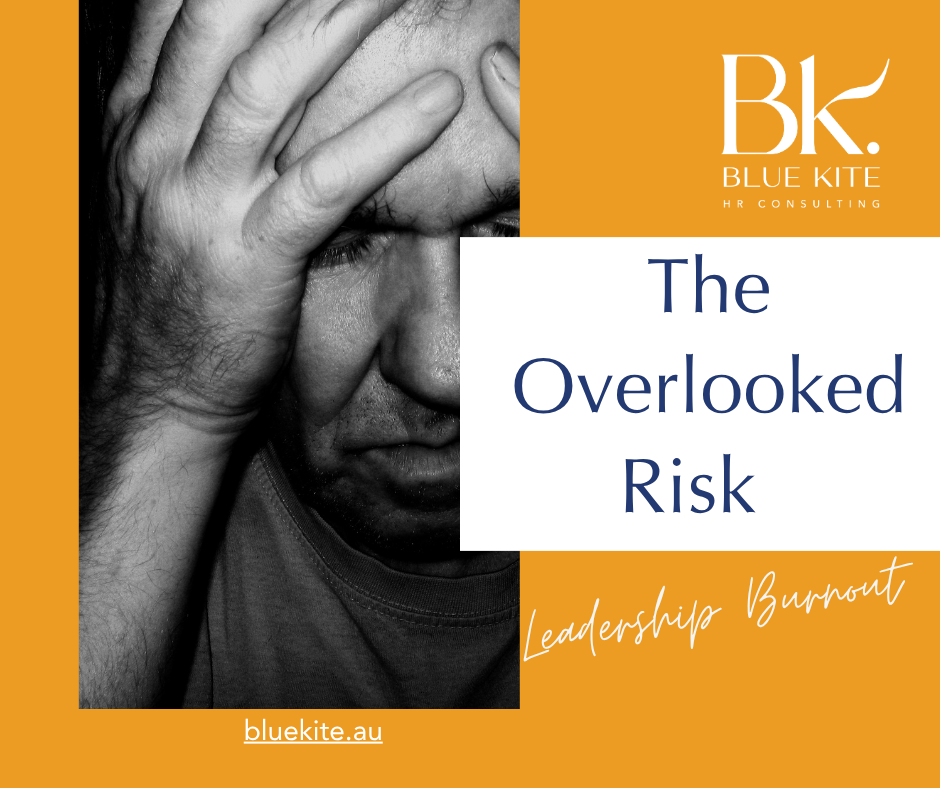
Leadership burnout is an increasingly common issue, yet it is often overlooked in business discussions about wellbeing. While attention is typically focused on employee experience, the demands placed on leaders can be significant and, if not managed effectively, can impact both individuals and teams.
Leaders are often responsible for managing performance, addressing challenges, supporting their teams and delivering results. In environments with high expectations and ongoing change, these responsibilities can accumulate quickly.
When leaders experience burnout, the effects can extend beyond the individual. Decision-making may become reactive, communication can become less effective and the overall team environment may be impacted.
Supporting leaders requires recognising these pressures and providing appropriate structures. This may include clear role expectations, manageable workloads, access to support and development opportunities.
Businesses also benefit from building leadership capability in areas such as delegation, prioritisation and communication. These skills can help leaders manage demands more effectively and maintain a sustainable approach to their role.
Leadership wellbeing is not separate from business performance. It is closely linked. Supporting leaders supports teams, and ultimately, business outcomes.
Get on the waitlist for my Blue Kite HR Advisory Portal, here.

Blue Kite specialises in providing
HR services to support businesses
to create better workplaces.