ARTICLES

The End of the Traditional Position Description (PD)
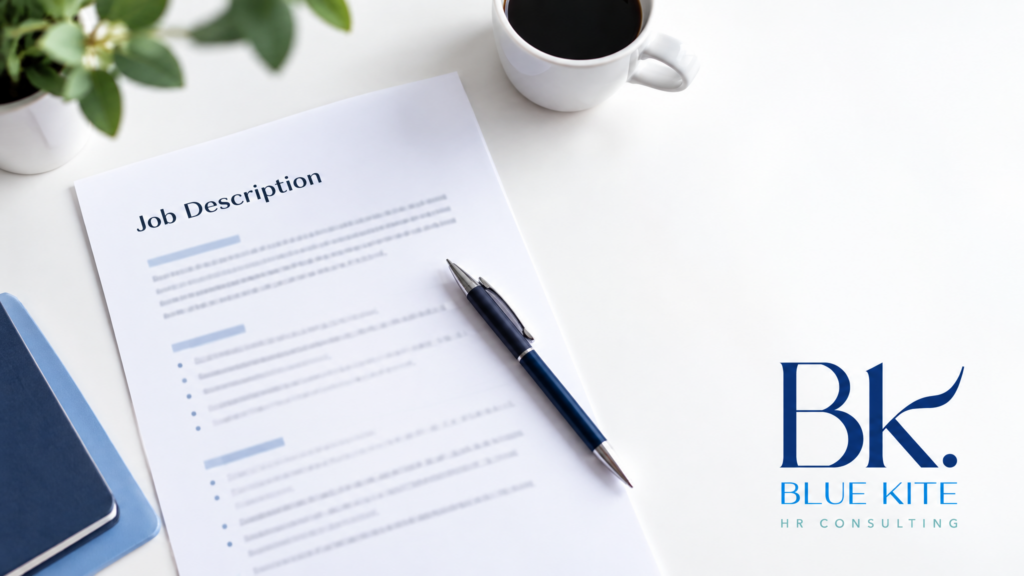
Hands up if you have ever hired someone using a position description (PD) that was basically copied from the last time you filled the role, which was copied from the time before that. Most businesses know their PDs are out of date. Most do nothing about it — until someone leaves, a new candidate does not perform as expected, or an employment dispute surfaces and the agreed scope of work is suddenly very important.
The traditional PD— a fixed list of duties, a hierarchy of reporting lines, and a rigid set of required qualifications — was built for a world where work was stable. That world is disappearing.
What is replacing it
Forward-thinking busiensses are moving from PDs to what HR practitioners call “dynamic role profiles.” Instead of listing what a person does, these documents describe:
- The outcomes the role exists to create
- The skills and capabilities required to achieve those outcomes (now and in 12–24 months)
- The ways of working expected (collaboration style, decision-making authority)
- How success will be measured
This shift sounds small. It is not. It changes how you hire, how you onboard, how you manage performance, and how you think about career development.
A 2025 AHRI survey found that 61% of Australian HR leaders cited outdated role documentation as a contributing factor in both hiring misfires and performance issues. The job description is not just an administrative document — it is a contract of expectations.
Three things to do this month
You do not need to overhaul your entire HR documentation suite this week. But here are three practical starting points:
1. Review your most-hired roles.
If the description has not changed in three years, it probably needs updating. Start with the roles you fill most frequently or that have caused the most friction.
2. Add an “outcomes” section.
Before you list tasks, write two or three sentences about what the person in this role needs to achieve for the team and the business to succeed.
3. Include a “growth” element.
What will this role look like in 18 months? What skills will matter more? Candidates who ask about growth are often your best hires — a future-facing job description attracts them and filters out people looking for a place to coast.
The PD is not dead — but it needs to grow up. A document that reflects the real, evolving nature of the work is one of the cheapest and most effective talent tools you have.
Ready to get ahead of this? Book your free 30-minute consultation at Blue Kite HR Consulting
Blue Kite specialises in providing
HR services to support businesses
to create better workplaces.